
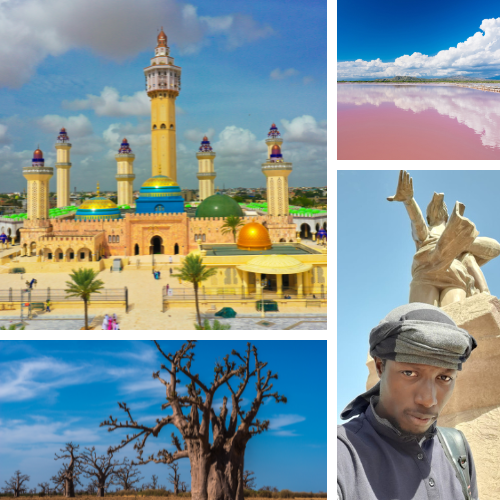
Senegal: The gateway to West Africa
Senegal, a country on the West African coast, is a fascinating mix of history, culture, nature and modern development. It is a country that bears both the traces of its colonial past and the vibrant dynamism of an independent African nation. From the bustling markets of Dakar to the peaceful beaches of Cap Skirring, Senegal offers a rich range of experiences for travelers and culture vultures.
A journey through history
Senegal was once a hub of the Atlantic slave trade, and traces of this grim past are still evident today, especially on the island of Gorée. This island, just a short boat ride from the capital city of Dakar, was a major center of the slave trade. Today, Gorée is a UNESCO World Heritage Site and a symbol of human resilience and hope. The "Maison des Esclaves" (Slave House) on the island serves as a striking reminder of the atrocities of the past.
Dakar: The heart of Senegal
Dakar, the capital and largest city of Senegal, is the cultural and economic heart of the country. This vibrant metropolis is known for its lively music scene, diverse cuisine and its role as host of the famous Dakar Rally. Dakar combines modern influences with traditional African culture in a unique way. The Sandaga market is a must for every visitor - a maze of stalls selling everything from fresh fruit to handmade jewelry to traditional garments.
Natural beauty and biodiversity
Senegal is rich in natural attractions. The Djoudj National Park, a UNESCO World Heritage Site, is one of the most important bird reserves in the world and attracts thousands of migratory birds every year. The park offers an impressive variety of bird species and is a paradise for ornithologists.
Another highlight is the Saloum Delta National Park, where the Saloum River flows into the Atlantic Ocean. This area is famous for its mangrove forests, which are home to a variety of animal species, including many rare and endangered species. Boat trips through the delta are a popular way to explore the unique landscape.
The Living Culture
Senegal's cultural scene is as vibrant as its nature. The country is known for its music, especially mbalax, a musical genre that combines traditional West African rhythms with modern styles such as jazz, funk and rock. Youssou N'Dour, one of the country's best known musicians, has brought mbalax to international attention.
Senegalese cuisine is equally impressive and reflects the diversity and creativity of the country. A typical dish is "Thieboudienne", a spicy rice dish with fish that is often considered the national dish of Senegal. There are also many other culinary treasures to discover, such as the peanut stew "Mafé" or the hearty "Yassa", often served with chicken or fish.
An emerging nation
Senegal is one of the most stable countries in West Africa in terms of political and social conditions. Democracy is well established in the country, and Senegal has established itself as a model of political stability in the region over the past decades. The country is also doing well economically, with growing tourism, agriculture and an emerging technology sector.
Conclusion
A country deeply rooted in history, but bursting with energy and potential for the future, Senegal offers a fascinating mix of culture, nature and hospitality that keeps visitors coming back. Whether you're wandering the bustling streets of Dakar, exploring history on Gorée Island or enjoying the quiet beauty of Senegal's national parks, Senegal leaves a lasting impression and invites you to discover more.
A journey through history
Senegal was once a hub of the Atlantic slave trade, and traces of this grim past are still evident today, especially on the island of Gorée. This island, just a short boat ride from the capital city of Dakar, was a major center of the slave trade. Today, Gorée is a UNESCO World Heritage Site and a symbol of human resilience and hope. The "Maison des Esclaves" (Slave House) on the island serves as a striking reminder of the atrocities of the past.
Dakar: The heart of Senegal
Dakar, the capital and largest city of Senegal, is the cultural and economic heart of the country. This vibrant metropolis is known for its lively music scene, diverse cuisine and its role as host of the famous Dakar Rally. Dakar combines modern influences with traditional African culture in a unique way. The Sandaga market is a must for every visitor - a maze of stalls selling everything from fresh fruit to handmade jewelry to traditional garments.
Natural beauty and biodiversity
Senegal is rich in natural attractions. The Djoudj National Park, a UNESCO World Heritage Site, is one of the most important bird reserves in the world and attracts thousands of migratory birds every year. The park offers an impressive variety of bird species and is a paradise for ornithologists.
Another highlight is the Saloum Delta National Park, where the Saloum River flows into the Atlantic Ocean. This area is famous for its mangrove forests, which are home to a variety of animal species, including many rare and endangered species. Boat trips through the delta are a popular way to explore the unique landscape.
The Living Culture
Senegal's cultural scene is as vibrant as its nature. The country is known for its music, especially mbalax, a musical genre that combines traditional West African rhythms with modern styles such as jazz, funk and rock. Youssou N'Dour, one of the country's best known musicians, has brought mbalax to international attention.
Senegalese cuisine is equally impressive and reflects the diversity and creativity of the country. A typical dish is "Thieboudienne", a spicy rice dish with fish that is often considered the national dish of Senegal. There are also many other culinary treasures to discover, such as the peanut stew "Mafé" or the hearty "Yassa", often served with chicken or fish.
An emerging nation
Senegal is one of the most stable countries in West Africa in terms of political and social conditions. Democracy is well established in the country, and Senegal has established itself as a model of political stability in the region over the past decades. The country is also doing well economically, with growing tourism, agriculture and an emerging technology sector.
Conclusion
A country deeply rooted in history, but bursting with energy and potential for the future, Senegal offers a fascinating mix of culture, nature and hospitality that keeps visitors coming back. Whether you're wandering the bustling streets of Dakar, exploring history on Gorée Island or enjoying the quiet beauty of Senegal's national parks, Senegal leaves a lasting impression and invites you to discover more.